Professional Tire Work: Get Back Driving With Safety and Haste
Skilled tire restoration serve an essential function in safeguarding vehicle security and performance. Experienced professionals undertake thorough inspections to uncover assorted tire difficulties. From flats to alignment complications, each matter warrants careful focus. Knowing when to seek professional guidance can prevent ensuing complications. As drivers confront these hurdles, they may contemplate the most suitable service options and care standards. Investigating these areas can facilitate informed decisions and safer experiences down the road.
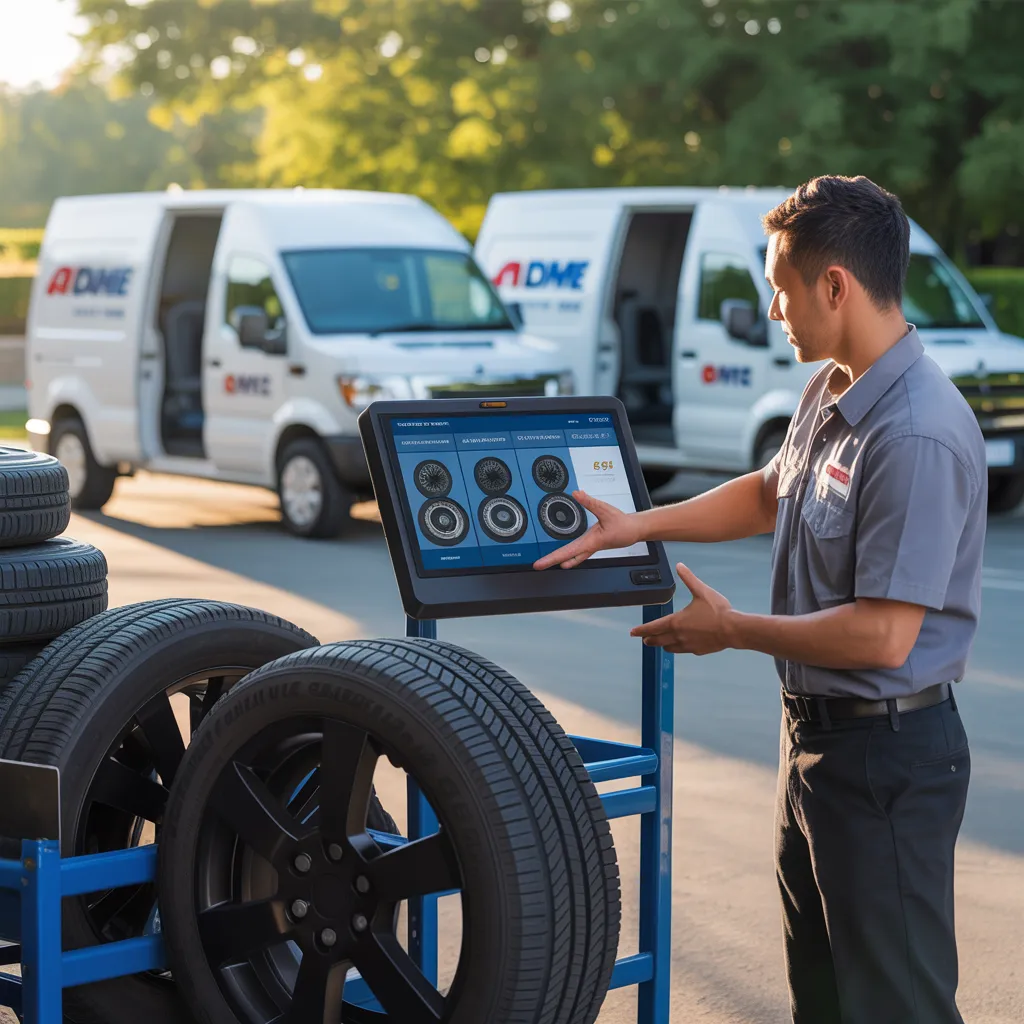
Standard Tire Difficulties to Learn About
When drivers neglect to monitor their tires, they may encounter several typical problems that can compromise safety and performance. One common problem is underinflation, which can lead to increased tire wear and lower fuel efficiency. Over time, this can lead to the tires to overheat, increasing the risk of a blowout. Another common problem is tread wear, which influences traction and handling, particularly in wet conditions. Uneven wear may indicate alignment or suspension issues, necessitating further inspection. Additionally, drivers may face punctures or sidewall damage from road hazards, resulting in slow leaks or complete tire failure. Regular tire rotations, inspections, and proper inflation are vital for preventing these issues. Finally, environmental conditions can also cause tire degradation, making it essential for drivers to stay vigilant about their tire health. By understanding these common problems, drivers can improve their safety on the road.
When to Recognize About Getting Tire Work: A Reference?
Identifying the symptoms that tire work are vital is critical for preserving vehicle safety and performance. Drivers ought to remain vigilant for particular warning signs that reveal tire complications. Uneven deterioration formations on the tread, for instance, may signal tracking complications or inadequate inflation. Moreover, obvious deterioration, like gashes, bumps, or punctures, commonly demands immediate response. A sudden loss of air pressure or recurring requirement for air filling also indicates that repairs may be vital.
Motorists should take note of handling and performance changes, such as trembles or pulling to one side, which could signal tire imbalances or internal damage. Lastly, regularly assessing tread depth is important; tires with worn or bald spots impact traction. By observing these signs, drivers can guarantee timely repairs, boosting both safety and vehicle lifespan. Quickly addressing these issues not only avoids potential accidents but also reduces more costly repairs later.
A Guide to Understanding the Tire Maintenance Process
The tire restoration method typically requires several essential procedures to assure safety and efficiency. First, a technician inspects the tire for noticeable damage and assesses its full condition. This assessment aids in deciding whether the tire can be repaired or needs replacement. Following the inspection, the technician may take off the tire from the wheel to uncover punctures or internal damage.
Once any problems are identified, the technician cleans the affected section and prepares it for restoration. This may include installing a patch or insert, depending on the nature and position of the harm. After the fix is completed, the tire is reinstalled and properly inflated to the manufacturer's requirements.
Finally, a quality verification confirms that the repair meets safety protocols. Throughout the journey, mechanics stress correspondence, informing the buyer of reports and guidance. This structured approach guarantees a reliable repair, allowing drivers to return to the road with certainty.
Do-It-Yourself Tire Service versus Professional Assistance
Upon grasping the tire repair procedure, many motorists may contemplate whether to handle repairs independently or seek professional help. DIY tire repairs can be attractive, notably for those with basic mechanical abilities and tools. Basic perforations can related content often be mended using repair kits available at auto retail stores, saving both hours and funds. However, this method involves risks if proper techniques are not followed, potentially causing additional damage or security concerns.
However, expert tire repair providers present expertise and specialized equipment. Qualified professionals can accurately evaluate tire issues, ensuring repairs prove effective and sound. They can also recognize hidden concerns that a DIY approach might neglect. Finally, the decision regarding professional assistance versus DIY repairs copyrights on the driver's confidence, skill level, and how severe the tire damage is. Reaching an educated decision is vital for guaranteeing road safety.
Guide to Picking the Right Tire Repair Service
What can motorists do to confirm they choose the best tire service option? First, they should survey community options, highlighting customer opinions and ratings. This information provides knowledge into the caliber of service and credibility of various shops. Next, examining for certifications and associations with recognized automotive organizations can show professionalism and specialization.
Furthermore, drivers should inquire into the range of repair options offered, confirming the shop can tackle their unique tire concerns. Clear pricing structures is also vital; reliable establishments present straightforward quotes without surprise fees.
Furthermore, reviewing the shop's warranty policies on maintenance can offer confidence. Finally, accessibility matters—location near your residence or office, as well as operating times, can influence the decision. By taking into account these factors, drivers can securely select a repair shop that fulfills their requirements successfully.
Plusses of Standard Tire Care
Regular tire upkeep offers many benefits that prolong the life span and performance of tires. By regularly inspecting tire air pressure, tread wear, and general state, vehicle owners can guarantee optimal grip and handling. Correct air pressure decreases deterioration, improving fuel efficiency and saving money at the pump. In addition, regular inspections can help identify problems such as uneven wear or harm, enabling for prompt fixes that avoid more significant problems down the road.
Maintaining tires also increases safety by minimizing the chance of blowouts or accidents due to insufficient tread. Also, a well-kept set of tires results in a smoother ride, enhancing comfort for both the driver and passengers. Spending time on regular tire maintenance allows individuals to gain the value of their investment, guaranteeing reliable performance and peace of mind while driving. To sum up, regular tire maintenance is a key factor in responsible vehicle ownership.
Suggestions for Avoiding Future Tire Problems
Deliberately maintaining tires can greatly reduce the likelihood of future setbacks. Periodically checking tire pressure is critical; deflation can trigger premature wear and reduced fuel efficiency. It is advisable to inspect tires for visible damage, such as cuts or bulges, which may indicate structural complications. Cycling tires every 5,000 to 8,000 miles helps make certain even wear, extending their lifespan.
In addition, maintaining correct alignment and balancing is vital to prevent uneven tread wear. Drivers should also check tread depth, using the penny test as a simple method; if Lincoln's head is visible, it's time for a new tire. Finally, avoiding excessive loading of the vehicle can reduce excessive strain on tires. By applying these strategies, vehicle owners can boost tire longevity and advance a safer driving experience.

Often Sought Questions
How much time will a average tire repair last?
A routine tire repair ordinarily requires around 30 minutes to an hour contingent on the degree of damage and the exact repair needed. Considerations like technician availability and shop workload can also impact the duration.
Do All Tire Models Permit Repair?
Not all tire types can be repaired. Typically, tread area punctures of passenger tires may be repairable, while damage to the sidewall, excessive deterioration, or tires with several prior fixes often necessitate replacement to ensure safety.
What Is the Cost of Tire Repairs?
The charge for tire restoration commonly falls between $10 to $30, influenced by the level of damage and geographic location. Key variables like tire type and your service center can influence the ultimate bill, resulting in fluctuation.
Is Tire Service Covered in Insurance?
Repair coverage for tires differs based on your insurance policy. Certain policies provide roadside assistance or repair costs, whereas others may exclude this coverage. It's vital for individuals to review their particular policy terms to identify what coverage exists for tire maintenance.
How Can I Prolong My Tire's Life?
To stretch a tire's operational life, periodic upkeep is indispensable. This incorporates maintaining proper tire pressure, rotating tires frequently, ensuring proper alignment, avoiding overloading, and monitoring tread depth for indications of wear and damage.
Comments on “Fast 24 Hour Tire Shop Houston with Mobile and In-Shop Service”